
 برای بزرگنمایی لمس کنید
تبخال تناسلی هر چند وقت عود میکند؟ عوامل محرک و روشهای کاهش تکرار
- نویسنده
- دکتر مهدی قاضی
- تاریخ انتشار
- ۹ شهریور ۱۴۰۴
- زمان مطالعه
- ۳ دقیقه مطالعه
- آخرین بهروزرسانی
- بهروزرسانی: ۲۰ مهر ۱۴۰۵
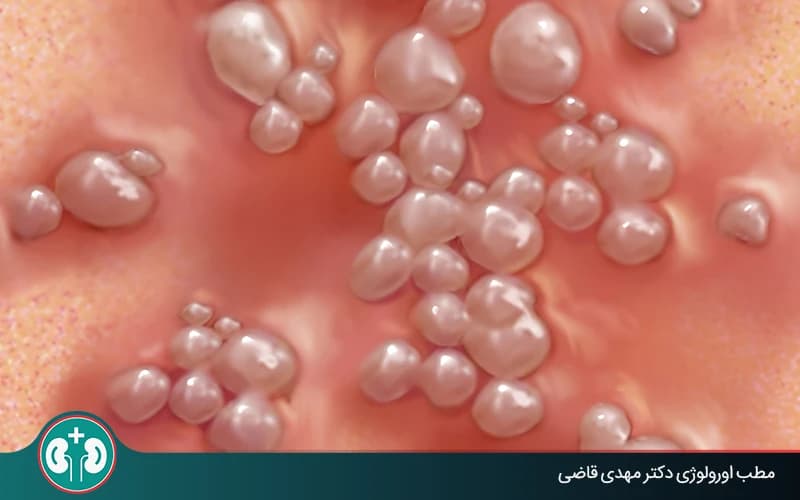
واقعیت این است که عود تبخال تناسلی (Genital Herpes) در هر فرد ممکن است متفاوت باشد. در سالهای اول پس از ابتلا، این عودها بیشتر اتفاق میافتند و ممکن است هر چند هفته یکبار یا هر چند ماه یکبار رخ دهند. با گذشت زمان و با تقویت سیستم ایمنی بدن، این دفعات کاهش مییابد.
عامل اصلی تبخال تناسلی، ویروس HSV-2 است؛ گرچه HSV-1 هم میتواند باعث آن شود. این ویروس در گرههای عصبی بدن به نام گانگلیونها (Ganglia) پنهان میشود. این گرهها محل اتصال اعصاب در ناحیۀ لگن هستند. در این حالت، ویروس بهطور غیرفعال در بدن باقی میماند.
هنگامی که فرد دچار عوامل تحریککنندهای مانند استرس شدید، بیماریهای دیگر، قاعدگی، خستگی شدید، آسیب پوستی یا ضعف سیستم ایمنی میشود، ویروس دوباره فعال شده و علائم تبخال از جمله زخمها و تاولهای دردناک دوباره ظاهر میشود.




یکی از مهمترین روشها در مواجهه با تبخال تناسلی و جلوگیری از عودهای مکرر، استفاده از داروهای ضدویروس است. داروهایی مانند آسیکلوویر (Acyclovir) میتوانند در کاهش دفعات عود تبخال مؤثر باشند.
حتی بعضی افراد قبل از اینکه علائم تبخال تناسلی را ببینند، احساس میکنند قرار است تبخال بزنند، که به آن علائم پِرودِرومال (Prodromal Symptom) میگویند. در چنین شرایطی استفاده از دارو میتواند مدت و شدت علائم را کمتر کند. نکتۀ دیگر این است که اگر علائم تبخال در شما شدید باشد یا عودها بهطور مکرر اتفاق بیفتند، مراجعه به پزشک و دریافت مشاورههای بیشتر ضروری است.
همچنین، در هنگام بروز عود تبخال تناسلی، استفاده از کاندوم میتواند تا حد زیادی به کاهش خطر انتقال ویروس به شریک جنسی کمک کند. حتی اگر هیچ علائمی نداشته باشید، باید از تماس جنسی خودداری کنید تا ویروس منتشر نشود.
در نهایت، باید به این نکته توجه کنید که تبخال تناسلی یک بیماری مزمن است که هیچگاه بهطور کامل از بین نمیرود. بااینحال، با استفاده از روشهای درمانی مناسب، مشاورۀ پزشکی و پیشگیریهای لازم، میتوان بهطور مؤثری عودها را کاهش داد و از انتقال آن به دیگران جلوگیری کرد.
اقدامها و مسیرهای مرتبط
پزشکان مرتبط با این موضوع در مشهد
مشاهدهٔ همهٔ پزشکان: بهترین دکتر و متخصص اورولوژی مشهد

دربارهٔ نویسنده

جراح و متخصص اورولوژی
دکتر مهدی قاضی، جراح و متخصص اورولوژی در مشهد. مقالات این سایت زیر نظر پزشکان ساختمان اورولوژی دکتر قاضی نوشته و بازبینی میشوند.
مشاهدهٔ پروفایل و نوبتدهی
دیدگاهها
3 دیدگاه
پاسخ مطب