
 Tap to zoom
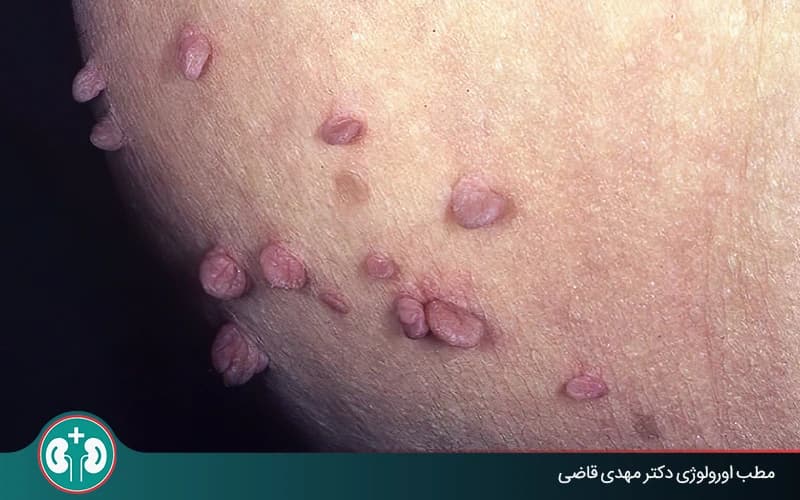
How Long After HPV Exposure Do genital warts Appear?
genital warts usually appear 2 weeks to 3 months after HPV exposure, but the incubation period can vary and HPV may still spread without symptoms.
- نویسنده
- دکتر مهدی قاضی
- Published on
- August 21, 2025
- Reading time
- 2 min read
- Last updated
- Updated: June 27, 2026
genital warts usually appear between 2 weeks and 3 months after exposure to HPV. This timing can vary depending on the HPV type and the person’s immune system. In general, if someone notices wart-like lesions after a suspicious sexual encounter or skin-to-skin contact with an infected person, those symptoms are likely to appear within this window. In some people, however, symptoms may appear earlier or later than usual.
HPV has an incubation period, meaning that even if wart symptoms do not appear right away, the virus may still be present in the body. During this time, a person may have no symptoms at all but can still transmit the virus to others. It is also possible for the immune system to suppress the virus so that no visible lesion develops.
Even if no lesion appears and the warts are not clearly visible, a person may still be infected without knowing it. Some HPV types are so mild that they cause no symptoms, but they can still be transmitted. Therefore, if you notice a lump, itching, burning, or unusual bleeding in the genital area after suspicious sexual contact, see a doctor. Only a doctor can determine through a careful examination whether these lesions are warts.
Sometimes warts go away on their own, but because they can return or spread the virus to others, treatment should be taken seriously. If genital warts are diagnosed, your doctor may recommend treatments such as prescription creams, freezing (cryotherapy), or surgery.
Consistent condom use during sex can greatly reduce the risk of HPV transmission, but because HPV can also spread through skin-to-skin contact, condoms alone are not enough. Ultimately, if you are unsure whether you have the condition, the best step is to see a doctor and be examined without unnecessary stress.
Actions & related links
Doctors for this topic in Mashhad
See all doctors: Best Male Genital Warts Doctors in Mashhad




About the author

Urologic Surgeon
دکتر مهدی قاضی, Urologic Surgeon in Mashhad. Articles on this site are written and reviewed under the supervision of the Urology Building's physicians.
View profile & bookRelated articles
All articlesBenign Urethral Lesions in Adults
دکتر مهدی قاضی · June 26, 2026
What Is Pyelonephritis? Kidney Infection Symptoms, Diagnosis, and Treatment
دکتر مهدی قاضی · March 20, 2026
Kidney Atrophy: Can a Small Kidney Be Dangerous?
دکتر مهدی قاضی · March 20, 2026
What Is Polycystic Kidney Disease? (Fetal and Adult PKD)
دکتر مهدی قاضی · March 20, 2026
Comments
0 comments
No comments yet. Be the first to share your thoughts.